Evaluating Pastel Whimsy Patterns for Creative Projects
In the landscape of digital design and crafting, visual aesthetics play a pivotal role in capturing audience attention. Among the various stylistic trends available, Pastel Whimsy Patterns has emerged as a distinct category that blends soft color palettes with nostalgic motifs. This collection is not merely a set of images but a curated thematic approach designed to evoke feelings of warmth, innocence, and vintage charm. For designers, crafters, and content creators evaluating background assets, understanding the specific characteristics, applications, and limitations of this style is essential for making informed creative decisions.
What Are Pastel Whimsy Patterns?
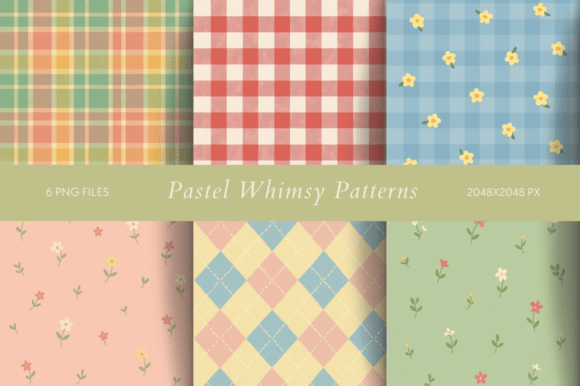
Pastel Whimsy Patterns refers to a specific aesthetic direction characterized by six distinct background designs that harmonize sweet florals, playful checks, and timeless motifs. The term "whimsy" suggests a playful, fanciful quality, while "pastel" denotes a palette of pale, soft colors derived from adding white to hues. Together, they create a visual language that is gentle on the eyes and emotionally resonant.
The collection typically includes variations such as:
- Picnic-inspired gingham: Classic checkered patterns rendered in soft pinks, blues, or yellows, evoking outdoor leisure and nostalgia.
- Delicate garden flowers: Floral arrangements that are less dense than traditional botanical prints, focusing on individual blooms and airy spacing.
- Timeless motifs: Subtle geometric or illustrative elements that provide structure without overwhelming the viewer.
Each design within this collection carries a unique personality, yet they are engineered to flow harmoniously as a unified set. This cohesion allows users to mix and match backgrounds across different pages or projects without creating visual dissonance.
Why Consider This Aesthetic?
When evaluating background assets, several factors drive the decision to adopt the Pastel Whimsy Patterns style. The primary driver is the emotional response it elicits. In an era of high-contrast, neon-heavy digital environments, pastel tones offer a calming alternative. They signal safety, comfort, and approachability, which can be particularly effective for brands targeting families, children, or individuals seeking relaxation.
Furthermore, the "cozy nostalgia" aspect of this style taps into a broader cultural trend known as "cottagecore" or "soft life," where consumers value authenticity, simplicity, and connection to nature. By using these patterns, creators align their work with these positive cultural associations, potentially increasing engagement from audiences who resonate with these values.
Benefits of Using Pastel Whimsy Backgrounds
Integrating Pastel Whimsy Patterns into a project offers several practical advantages:
Enhanced Readability and Focus
Soft, low-saturation colors reduce visual fatigue. When used as backgrounds for text or product photography, they provide sufficient contrast without competing for attention. This makes them ideal for blogs, e-commerce product pages, and instructional guides where clarity is paramount.
Brand Cohesion
Because the six designs in this collection are harmonized, they allow for versatile branding. A user can employ the floral pattern for a header, the gingham for a footer, and a solid pastel tone for body text, maintaining a consistent brand identity throughout a digital document or website.
Emotional Connection
The "cute" and "charming" qualities of these patterns can humanize a brand. For small businesses, artisans, and educators, this aesthetic helps build a personal connection with the audience, suggesting that the creator values care and detail.
Tradeoffs and Limitations
While Pastel Whimsy Patterns offers distinct benefits, it is not a universal solution. Evaluators must consider several tradeoffs:
Perceived Professionalism
In industries that prioritize authority, seriousness, or technological sophistication—such as finance, law, or enterprise software—this aesthetic may appear too casual or juvenile. It risks undermining credibility if the target audience expects a more corporate or minimalist visual language.
Limited Versatility for Dark Themes
Pastel colors are inherently light. They do not translate well to dark mode interfaces or nighttime viewing contexts. Creators must ensure that their platform supports both light and dark modes or restrict usage to daytime-focused content.
Cliché Risk
Floral and gingham patterns are common tropes in design. If not executed with high-quality resolution and thoughtful composition, they can feel generic or dated. The success of this style relies heavily on the specific curation and quality of the individual assets.
Situational Fit: When to Choose Pastel Whimsy
This aesthetic is a strong fit for specific use cases:
- Digital Products for Crafters: Scrapbooking templates, printable planners, and party invitations benefit greatly from the handmade, cheerful vibe of these patterns.
- Baby and Child-Focused Brands: Nurseries, toy stores, and parenting blogs often find resonance with the innocence and softness associated with pastels.
- Wellness and Self-Care: Apps or websites focused on meditation, journaling, or mental health can use these calming visuals to reinforce a sense of peace.
- Seasonal Marketing: Spring and summer campaigns, Easter, Mother’s Day, and Valentine’s Day promotions align naturally with floral and picnic themes.
Alternatives to Consider
If Pastel Whimsy Patterns does not align with your goals, other directions may be worth exploring:
- Minimalist Geometric: For a modern, clean look that prioritizes functionality over emotion, simple lines and shapes offer a professional alternative.
- Earthy Earth Tones: If you want to maintain a natural theme but avoid the "sweet" connotation of pastels, muted browns, greens, and terracottas provide a grounded, sophisticated aesthetic.
- Vibrant Gradients: For tech startups or youth-oriented brands seeking energy and dynamism, bold gradients convey innovation rather than nostalgia.
Practical Decision-Making Insights
To determine if Pastel Whimsy Patterns is the right choice, ask the following questions:
Who is my primary audience? If they respond positively to comfort, tradition, and softness, this style is likely appropriate. If they prioritize efficiency, speed, or cutting-edge technology, it may be a mismatch.
What is the context of use? Ensure the patterns are applied at a scale where details are visible. Tiny thumbnails may render delicate florals as muddy blobs, while large banners can showcase the intricate motifs effectively.
How will I integrate text? Always test typography against the chosen pattern. Light pastels require darker text for accessibility compliance (WCAG standards). Consider adding subtle overlays or shadows to text boxes to ensure legibility.
In conclusion, Pastel Whimsy Patterns provides a specialized toolkit for creators aiming to evoke warmth and nostalgia. By carefully weighing its emotional appeal against potential limitations in professionalism and versatility, designers can strategically deploy these assets to enhance their projects’ charm and effectiveness.