Unlocking Creativity: How Artisan Mosaic Patterns Transform Digital and Physical Projects
In the ever-evolving landscape of design, trends come and go, but certain aesthetic elements possess a timeless appeal that transcends fleeting fads. One such element is the artisan mosaic pattern motif. These intricate, tile-based designs evoke a sense of handcrafted charm while offering the precision and consistency required in modern digital workflows. Whether you are a seasoned graphic designer, a small business owner looking to elevate your brand identity, or a hobbyist passionate about scrapbooking, understanding the versatility of these patterns can significantly enhance your creative output.
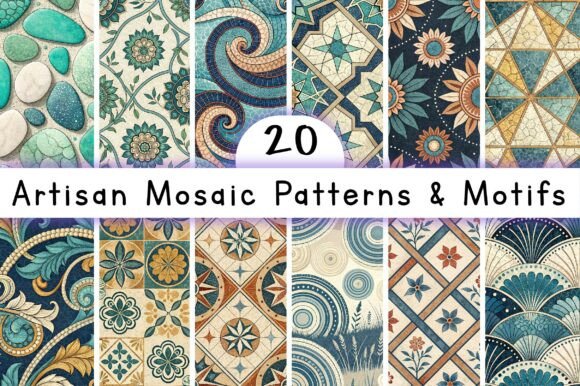
This guide explores the significance of artisan mosaic patterns, specifically focusing on vibrant, contemporary variations featuring bright shades of pink, teal, orange, and yellow. We will delve into why these specific motifs are perfect for mixing and matching, how they fit into various professional and personal projects, and what technical specifications make them an invaluable asset for creators.
The Aesthetic Appeal of Vibrant Mosaic Motifs
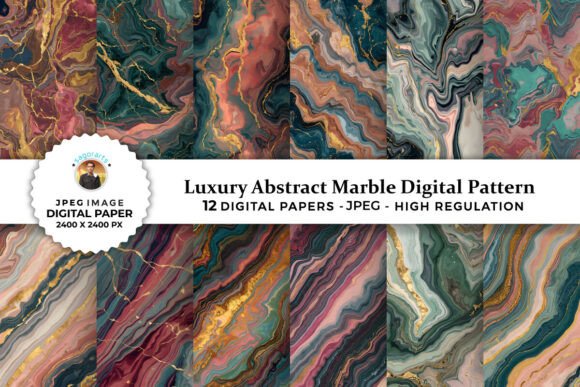
Traditionally, mosaics were associated with ancient history, religious iconography, or formal architectural detailing. However, the modern interpretation of the artisan mosaic pattern has shifted toward something far more playful and accessible. The specific collection discussed here utilizes a palette of bright pink, teal, orange, and yellow. This combination is not arbitrary; it is carefully curated to create visual energy without overwhelming the viewer.
Why do these colors work so well together? In color theory, this mix balances warm tones (orange, yellow, pink) with cool accents (teal). This balance creates a dynamic contrast that draws the eye and keeps the design engaging. For designers, this means less time spent on color correction and more time on layout and composition. These cute patterns allow for easy mix and match capabilities, enabling creators to layer textures or alternate tiles to create custom backgrounds that feel both cohesive and unique.
Bridging Tradition and Modernity
One common misconception is that mosaic patterns must look old-fashioned or rustic. While earthy tones certainly have their place, the use of high-saturation colors recontextualizes the motif. It becomes a tool for modern branding, youthful decor, and energetic marketing materials. By stripping away the heavy, stone-like texture often associated with traditional mosaics and replacing it with clean, digital vector-style graphics, these patterns become versatile enough for any context.
Practical Applications in Creative Industries
The utility of these 4096 x 4096 pixel assets extends far beyond simple background images. Their high resolution and unique design make them suitable for a wide array of applications across different industries.
1. Scrapbooking and Paper Crafts
For crafters, the tactile experience of paper is paramount. When printing digital assets for physical crafts, quality is everything. These patterns are ideal for:
- Scrapbook Pages: Using the bright pink and teal tiles as borders or focal points adds a pop of color to memory-keeping albums.
- Card Making: Small business owners who sell handmade cards can use these motifs to create consistent, branded stationery sets.
- Gift Wrapping: Imagine wrapping a gift in paper featuring a seamless loop of orange and yellow mosaic squares. It offers a personalized touch that store-bought wrapping paper cannot match.
2. Home Decor and Interior Design
Interior design is increasingly embracing digital customization. Homeowners and decorators can utilize these high-resolution files to create:
- Custom Wallpaper: With dimensions of 4096 x 4096 pixels, these images are crisp enough to be tiled seamlessly across large wall spaces. The "cute" nature of the patterns makes them particularly appealing for nurseries, playrooms, or creative home offices.
- Digital Mockups: Before committing to expensive physical wallpaper, designers can use these PNG files to visualize how the pattern looks in a room setting.
3. Small Business Marketing and Packaging
In the competitive world of e-commerce, packaging is the first physical interaction a customer has with a brand. Using unique artisan mosaic patterns on boxes, tags, or tissue paper can differentiate a product from competitors. Furthermore, these patterns are excellent for social media graphics. A bright, geometric background ensures that text overlays remain readable while adding visual interest to Instagram posts or Pinterest pins.
Technical Specifications: Why Format Matters
When purchasing digital assets, the file format and resolution are critical factors that determine usability. The package described includes both JPG and PNG files, each serving a distinct purpose in the design workflow.
The Power of 300 DPI and 4096 Pixels
Resolution is measured in dots per inch (DPI). A standard screen image might be 72 DPI, which is sufficient for web viewing but results in pixelation when printed. These files are provided at 300 DPI, which is the industry standard for high-quality printing. This ensures that whether you are printing a small greeting card or a large banner, the edges of the mosaic tiles remain sharp and clear.
The dimension of 4096 x 4096 pixels provides ample canvas size. This square aspect ratio is particularly useful for social media profiles, app icons, and square-format posters. It also allows designers to crop sections of the pattern to create custom textures without losing quality.
JPG vs. PNG: Choosing the Right Tool
Understanding the difference between these two formats is essential for getting the best results:
- JPG Files: These are compressed image files. They are smaller in file size and ideal for web use or when transparency is not required. If you want to place a mosaic pattern behind text on a website, JPGs are efficient and fast-loading.
- PNG Files: Portable Network Graphics support transparency. This is crucial for overlaying patterns. For example, if you want to place a single mosaic tile over a photograph without a white box around it, a PNG file is necessary. The transparency allows the underlying image to show through, creating a sophisticated layered effect.
Maximizing Value: The Instant Download Advantage
In today’s fast-paced creative economy, speed is of the essence. The instant download feature of this digital product eliminates the wait times associated with physical shipping. For freelancers working against tight deadlines or teachers preparing classroom materials, immediate access to resources is invaluable.
However, because these are digital goods, it is important to understand the licensing terms. Typically, such packages are sold for personal use or commercial end-product use (e.g., selling a shirt printed with the pattern), but not for resale as a digital file itself. This distinction protects the intellectual property of the designer. You cannot take the raw JPG files and sell them as a stock photo pack. Instead, you integrate them into your own unique creations. This model encourages creativity rather than mere distribution.
Building a Cohesive Design System
To truly leverage these patterns, consider building a design system around them. Since the collection includes 20 unique JPGs and 20 unique PNGs, you have a diverse library to draw from. Here is a strategy for integration:
- Brand Consistency: Choose one dominant color from the mosaic set (e.g., Teal) and use it as your primary brand color. Use the other colors (Pink, Orange, Yellow) as accent colors in your mosaic patterns.
- Texture Mixing: Combine the mosaic patterns with solid colors or subtle gradients. A solid pink background with a semi-transparent teal mosaic overlay can create depth and sophistication.
- Seasonal Adaptations: While the colors are bright year-round, you can emphasize certain hues seasonally. Use more yellow and orange for summer campaigns, and lean into pink and teal for spring or Valentine’s Day promotions.
Common Misunderstandings About Digital Patterns
Many beginners assume that using a pre-made pattern limits their creativity. On the contrary, starting with a strong foundational pattern can actually accelerate the design process. It solves the problem of "blank page syndrome." Once the background is established, you can focus on typography, imagery, and messaging. Additionally, some users worry about copyright issues. As long as you adhere to the license (using the pattern within a new product rather than reselling the file itself), you are utilizing the asset legally and ethically.
Conclusion
The Artisan Mosaic Patterns Motifs represent a perfect intersection of artistic charm and technical utility. With their vibrant palette of pink, teal, orange, and yellow, they offer a fresh take on a classic design element. Whether you are designing packaging for a small business, decorating a child’s room, or creating content for social media, these high-resolution, transparent-friendly files provide the flexibility needed to bring your vision to life.
By understanding the technical benefits of 300 DPI JPGs and PNGs, and by applying strategic design principles, you can transform these simple tiles into powerful visual tools. Embrace the instant accessibility of digital assets, respect the creative rights of designers, and let your imagination run wild with these beautiful, versatile patterns.