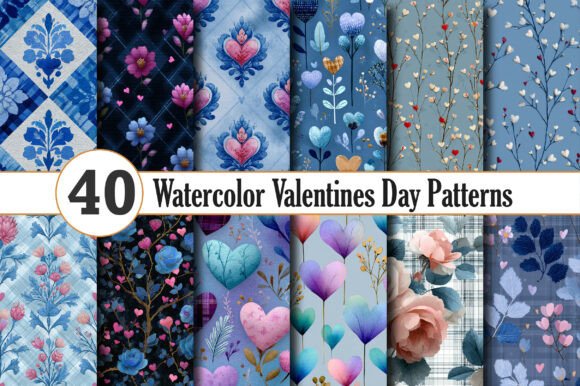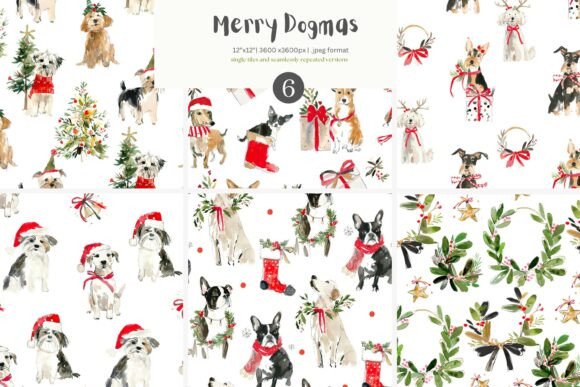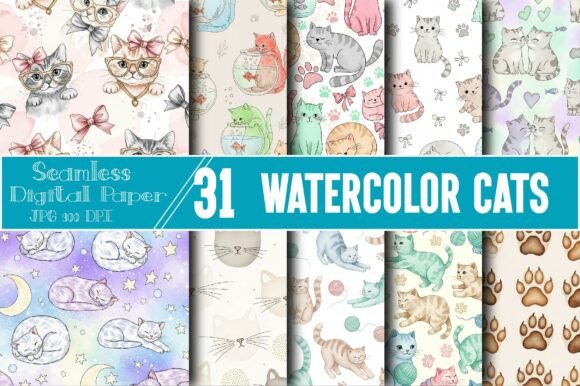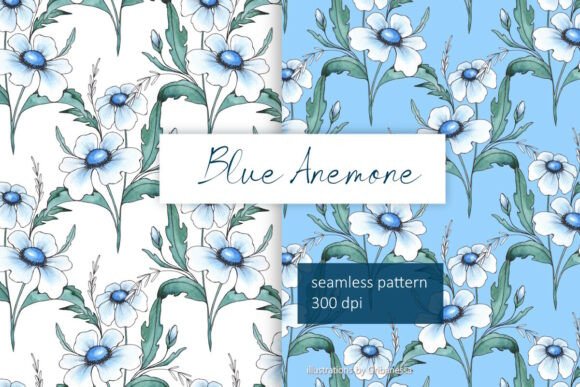
Watercolor Grandmillennial Patterns
In an era where digital saturation is the norm and visual noise competes for every second of attention, distinguishing your brand or personal project requires more than just competence; it requires a distinct aesthetic voice. Watercolor Grandmillennial Patterns offer a strategic advantage by bridging the gap between nostalgic comfort and modern functionality. These designs are not merely decorative; they are tools for communication that evoke trust, warmth, and approachability. For entrepreneurs, creators, and professionals aged 20–50, understanding how to leverage these patterns can significantly enhance customer experience, branding consistency, and overall product appeal.
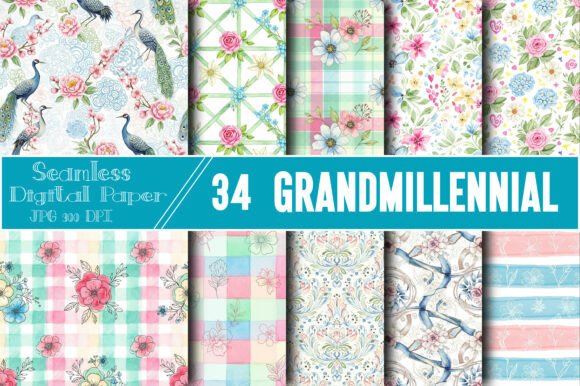
The term "Grandmillennial" refers to a design sensibility that draws heavily from traditional, heritage-inspired aesthetics—think floral motifs, chintz, and classic silhouettes—but reinterprets them through a contemporary lens. When rendered in watercolor, these patterns gain a softness and organic irregularity that feels hand-crafted and authentic. This combination creates a unique visual language that resonates with consumers who value craftsmanship and storytelling over stark minimalism. By integrating Watercolor Grandmillennial Patterns into your workflow, you are not just applying a background; you are curating an atmosphere that invites engagement.
Strategic Applications in Product Design and Branding
The versatility of high-resolution sublimation graphics allows for seamless integration across a wide array of physical and digital touchpoints. The decision to use these patterns should be driven by the emotional response you wish to elicit from your audience. Watercolor textures inherently suggest fluidity, artistry, and care. Therefore, they are particularly effective in industries where human connection and tactile quality are paramount.
- Apparel and Accessories: Using these patterns on tote bags or notebook covers adds immediate personality to everyday items. For small business owners, this is a low-risk, high-impact way to differentiate merchandise. A tote bag featuring Watercolor Grandmillennial Patterns does not just carry groceries; it signals a lifestyle choice aligned with elegance and creativity.
- Home Decor: Printable fabrics allow for the creation of personalized pillows and cushions. In the context of interior styling, these patterns can serve as focal points that ground a room in tradition while feeling fresh due to the watercolor medium. This is ideal for bloggers and influencers looking to create visually cohesive content for social media platforms like Pinterest or Instagram.
- Packaging and Labels: For artisans producing candles, soaps, or gourmet goods, packaging is often the first point of contact. Sublimating these designs onto labels elevates the perceived value of the product. It suggests that the contents are crafted with the same attention to detail as the exterior presentation.
Enhancing Digital Presence and Content Strategy
Visual consistency is a cornerstone of effective digital marketing. Watercolor Grandmillennial Patterns provide a versatile asset class for creating engaging social media backgrounds and standout website graphics. Unlike rigid geometric templates, the organic bleed of watercolor allows for dynamic layouts that feel less corporate and more inviting.
When designing digital assets, consider the hierarchy of information. These patterns work best when used as subtle backdrops that support text rather than compete with it. Their muted tones and soft edges naturally draw the eye toward central elements, such as calls-to-action or key messaging. For educators and freelancers, using these patterns in downloadable resources, such as printable worksheets or planner inserts, can make learning materials feel less sterile and more enjoyable to interact with.
Furthermore, the adaptability of these files supports diverse content strategies. You might use a bold floral variant for holiday-themed posts and a softer, pastel iteration for spring launches. This flexibility ensures that your brand remains relevant across seasons without losing its core identity. The ability to scale these graphics from tiny sticker designs to large wall wallpapers means you can maintain a unified aesthetic across all channels, reinforcing brand recognition.
Technical Considerations for High-Quality Output
The success of any design implementation hinges on technical execution. The files provided in high-resolution JPG format at 300 DPI are engineered to meet the rigorous demands of professional printing and sublimation processes. Understanding these specifications is crucial for achieving top-notch results.
- Resolution and Clarity: At 300 DPI, the images retain crisp detail even when enlarged. This is essential for applications like tumbler wraps or large-format prints where pixelation would be immediately apparent. Ensure your source material matches this resolution to avoid blurring during the transfer process.
- Color Management: Watercolor effects rely on subtle gradients and color bleeding. When preparing files for print, verify that your color profiles (such as CMYK for print vs. RGB for screen) are correctly adjusted. While the digital preview may look vibrant, the final output on fabric or ceramic may vary slightly depending on the substrate. Always conduct test prints to calibrate expectations.
- Sublimation Compatibility: These graphics are optimized for sublimation, a process that infuses ink into polyester-coated surfaces. This method ensures durability and wash-fastness, making the designs suitable for functional items like mugs, playing cards, and party napkins. Avoid using these files for direct-to-garment printing on natural fibers unless specifically advised, as the ink absorption characteristics differ.
Risks and Mitigation Strategies
While Watercolor Grandmillennial Patterns offer significant aesthetic benefits, there are potential pitfalls if used without clear strategic intent. The primary risk is visual clutter. Because these patterns are intricate and detailed, they can overwhelm simple designs if not balanced correctly.
To mitigate this, adopt a "less is more" approach. Use the patterns as accents rather than dominant features. For example, instead of covering an entire website background with a dense floral print, use it sparingly for headers, dividers, or sidebar elements. This preserves readability and ensures that the user experience remains smooth and focused.
Another consideration is audience alignment. Not all demographics respond positively to traditional or vintage aesthetics. Younger audiences or those seeking ultra-modern, tech-forward brands may find the style too ornate. Conduct market research to ensure that your target demographic appreciates this specific design language. Misalignment between brand identity and aesthetic choice can lead to confusion and reduced engagement.
Long-Term Value and Creative Sustainability
Investing in high-quality, versatile design assets like Watercolor Grandmillennial Patterns contributes to long-term creative sustainability. Rather than constantly chasing fleeting trends, these timeless designs provide a stable foundation for your brand’s visual identity. They allow for experimentation within a consistent framework, reducing the cognitive load associated with constant redesign.
For hobbyists and DIY enthusiasts, these patterns offer endless possibilities for upcycling and personalization. Reviving old tumblers and mugs by sublimating them with new designs extends the lifecycle of existing items, promoting sustainable consumption habits. Similarly, using these patterns in scrapbooking or junk journals allows for the preservation of memories in a visually compelling way.
Ultimately, the strategic use of Watercolor Grandmillennial Patterns is about intentionality. It is about recognizing that every visual element communicates a message. By choosing designs that reflect authenticity, warmth, and craftsmanship, you build deeper connections with your audience. Whether you are embellishing mini junk journals, creating party decorations, or developing a comprehensive brand identity, these patterns serve as powerful tools for achieving better results through thoughtful design.
As you integrate these assets into your projects, remember to document your successes and failures. Analyze which applications resonate most with your audience and refine your approach accordingly. This iterative process will help you maximize the utility of these graphics, ensuring that they continue to deliver value as your projects evolve. In a crowded marketplace, the ability to blend aesthetic pleasure with functional precision is a competitive edge worth cultivating.